|
Getting your Trinity Audio player ready...
|
Ever wondered why LED face masks glow in different colors?
Sit tight—you’re about to find out.
👉 Let’s be honest: LED light therapy looks cool, but most of us have no idea what the colors really mean. Is red just for anti-aging? What does green actually do? And can yellow really help with inflammation?
Well, here’s the truth:
Each color in LED light therapy serves a unique purpose—and knowing the LED light therapy color meanings can make a world of difference in your skincare results.
Here’s a quick story for you.
A friend of mine struggled with stubborn redness for years. Nothing worked—until she discovered LED light therapy for rosacea. She started using a combination of green light LED therapy and yellow LED light therapy, and the change was incredible.
Her skin calmed down, her confidence shot up—and all thanks to understanding the right LED light therapy colors for her skin needs.
So if you’re confused about LED face light therapy colors, or just want to learn what each shade really does, you’re in the right place.
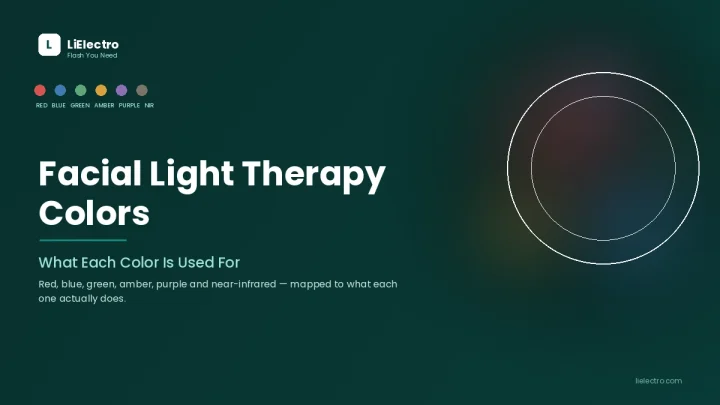
This guide breaks down everything you need to know about LED light therapy color meanings—from red to blue to lesser-known shades—so you can choose the best option for your skin type, goals, and concerns.
LED Light Therapy Color Meanings: Quick Summary
Unlocking LED Light Therapy Color Meanings reveals how different LED light colors—like red, blue, green, and yellow—target specific skin and wellness concerns. Red light boosts collagen and reduces wrinkles, blue light fights acne by killing bacteria, green light fades hyperpigmentation, and yellow light soothes inflammation. Understanding each color’s effect helps users choose the right therapy for their needs and maximize skincare results.
How LED Light Therapy Works
Wavelengths & Penetration
Different colors of LED light have different wavelengths. Longer wavelengths go deeper into the skin:
- Epidermis (surface): shorter wavelengths like blue light
- Dermis (middle layer): medium wavelengths like green / yellow light
- Subcutaneous tissue (deep): longer wavelengths like red and near-infrared
Cellular Energy Boost
The light stimulates mitochondria in skin cells to produce more ATP (adenosine triphosphate) — the fuel your cells need to regenerate and heal faster.
Therapeutic Effects
This energy jumpstart helps reduce inflammation, fight bacteria, boost collagen, and more — depending on the color used. You can think of it as a personal spa for your skin, right at the cellular level.
Check out this handy LED light therapy chart for a science-backed overview.
LED Light Therapy What Do the Colors Mean
Let’s decode each LED light therapy color and what it actually does for your skin and body. This section doubles as your quick light therapy color chart — easy to reference anytime.
1- Red Light Therapy
- Wavelength: 620–750 nm
- Meaning: Energizing, restorative
- Benefits: Stimulates collagen and elastin, reduces fine lines and wrinkles, accelerates healing, fights mild to moderate acne
- Penetration Depth: Dermis
- Clinical Evidence: Proven for anti-aging and collagen renewal
- Also Known As: Featured in the LED wavelength chart
2- Blue Light Therapy
- Wavelength: 405–470 nm
- Meaning: Purifying, calming
- Benefits: Kills acne-causing bacteria, reduces inflammation, soothes sensitive skin
- Common Uses: Acne-prone skin, teen breakouts
- Why Blue Over Others? When deciding between green vs blue vs purple, blue is best for clear, blemish-fighting action
3- Green Light Therapy
- Wavelength: 495–570 nm
- Meaning: Balancing, harmonizing
- Benefits: Fades hyperpigmentation, calms redness and rosacea
- Common Uses: Skin tone balance, post-acne marks
- Does It Help Rosacea? Absolutely — green light therapy for rosacea effectively soothes and balances tone
4- Yellow Light Therapy
- Wavelength: 570–590 nm
- Meaning: Soothing, detoxifying
- Benefits: Eases redness and flushing, improves lymphatic flow, reduces signs of rosacea
- Used In: Anti-redness masks and facials
- Also Known As: Included in dermalight colors collections
5- Amber Light Therapy
- Wavelength: 590–620 nm
- Meaning: Revitalizing, brightening
- Benefits: Improves skin texture, boosts circulation, ideal for sensitive skin
- Found In: Facial whitening instruments and LED colour pen kits
6- Purple/Violet Light Therapy
- Wavelength: 380–450 nm (red + blue combo)
- Meaning: Regenerative
- Benefits: Combines acne-fighting and anti-aging, fades scars, reduces inflammation
- Loved In: Purple light therapy and praised in bio-light skincare LED mask reviews
7- White Light Therapy
- Wavelength: Full-spectrum or 400–700 nm
- Meaning: Holistic healing
- Benefits: Deep tissue rejuvenation, skin regeneration, mood-boosting
- Featured In: Color therapy lights, aligning with color therapy meanings
8- Cyan Light Therapy
- Wavelength: ~490–520 nm (blue + green)
- Meaning: Cooling, balancing
- Benefits: Treats acne, calms inflammation, reduces pigmentation
- Also Called: Cyan LED light therapy, cyan light therapy
9- Near‑Infrared (NIR) Light Therapy
- Wavelength: 700–1200 nm
- Meaning: Deep repair
- Benefits: Stimulates deep healing, relieves joint/muscle pain, amplifies other colors
- Penetration: Deepest — reaches muscles and joints
- Perfect Combo: Pair with red for a collagen-plus-repair effect
What Color of LED Helps with Detoxification?
The color of LED light most associated with detoxification is red and near-infrared light.
Red LED Light (630–660 nm)
Red light therapy penetrates deeply into the skin and stimulates circulation, cell regeneration, and the lymphatic system, all of which are essential for natural detox.
- It enhances mitochondrial function, which helps flush toxins at the cellular level.
- Red LED light supports skin detoxification by improving blood flow and promoting oxygenation.
Common in: anti-aging treatments, detox facials, and full-body LED beds.
Near-Infrared LED Light (810–850 nm)
While not visible to the naked eye, near-infrared light goes even deeper — reaching muscles, joints, and internal tissues.
- It’s often used in infrared light therapy for detox because it stimulates the lymphatic drainage system and sweat glands, helping remove toxins through sweat.
- Many practitioners use infrared saunas or LED light panels with NIR for detox and cellular repair.
Also known for enhancing detoxification after exercise or illness by speeding up cellular recovery.
Case Study: Real Results from GlowSense Aesthetic Clinic
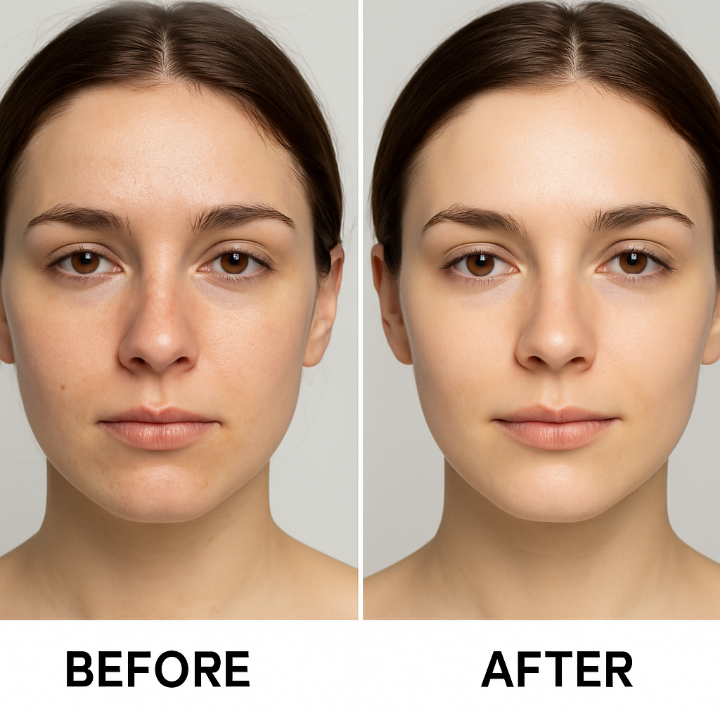
At GlowSense Aesthetic Clinic, we recently treated one of our regular clients using red and near-infrared LED light therapy focused on skin detoxification and facial rejuvenation. The results were nothing short of impressive.
Below, you’ll see a detailed breakdown of the client’s progress — from dull, puffy skin to a noticeably brighter, smoother, and detoxified complexion. Each change reflects what targeted LED light wavelengths can achieve when applied consistently and professionally.
| Visual Cue | Before Therapy | After Therapy | Explanation |
|---|---|---|---|
| Skin Tone | Dull, uneven, slightly sallow | Radiant, glowing, more even | Boosted circulation & oxygen flow removes toxins |
| Puffiness | Under-eye swelling and facial bloating | Tighter, more sculpted appearance | Lymphatic drainage clears built-up fluid |
| Texture | Rough patches, large pores | Smooth, refined surface | Increased collagen production and cell turnover |
| Complexion | Tired-looking, fine lines visible | Healthy glow, refreshed skin | Reduces oxidative stress and energizes skin cells |
Why Red & NIR Are Best for Detoxification
Unlike blue or green LED light (which are ideal for acne or pigmentation), red and NIR wavelengths are biologically active in the body’s detox pathways.
These lights activate:
- Lymphatic stimulation
- Improved circulation
- Reduced oxidative stress
- Faster toxin removal
Bonus Tip: Combine with Hydration
Using red or near-infrared light therapy while staying well-hydrated and practicing gentle movement (like yoga) helps amplify the detoxifying effects of LED light therapy.
Therapeutic Wavelengths & Skin Penetration
Here’s a handy LED light color chart to help you pick the right wavelength:
| Color | Wavelength (nm) | Penetration Depth | Target Area |
|---|---|---|---|
| Blue | 405–470 | Epidermis | Surface bacteria, pores |
| Green | 495–570 | Mid-epidermis | Pigmentation, tone |
| Yellow | 570–590 | Upper dermis | Redness, lymph |
| Red | 620–750 | Deep dermis | Collagen, wrinkles |
| NIR | 700–1200 | Subcutaneous | Healing, pain relief |
Use this LED light therapy color chart to choose your ideal color.
Combining LED Light Colors for Enhanced Benefits
In fact, using multiple colors together amplifies results:
- Red + Blue = Purple: Combines anti-aging & acne benefits
- Blue + Green = Cyan: Tackles acne and pigmentation simultaneously
- Red + NIR: Collagen boost + deep healing = double win!
Multi-color LED masks often rotate between hues, giving you a full-face spa session.
Clinical Benefits & Scientific Support
Studies back LED light therapy for:
- Acne reduction (blue light)
- Anti-aging (red light)
- Pigmentation & rosacea relief (green & yellow)
- Wound healing & pain relief (NIR)
In 2021, the Journal of Clinical and Aesthetic Dermatology reported that combining LED pink light therapy and microneedling tightened skin effectively — highlighting pink light benefits and the use of pink light on face for enhanced circulation and collagen support.
How to Use LED Light Therapy Safely and Effectively
Here’s your step-by-step guide for best results:
- Cleanse Your Skin: Begin with a fresh, makeup-free face
- Pick Your Color: Refer to the LED light therapy color benefits list
- Session Time: Use for 10–20 minutes, ideally 3–5 times per week
- Maintain Distance: Keep device 6–12 inches away or wear a mask
- Protect Your Eyes: Always wear goggles—especially with white or blue light
- Know Contraindications: Avoid if you have epilepsy, are photosensitive, or are taking Accutane
- Consistency is Key: Results usually show within 4–6 weeks
👉 Always consult your dermatologist before starting any new treatment.
Frequently Asked Questions (FAQs)
Q: What LED color is best for wrinkles?
A: Red and near‑infrared light are most effective for anti-aging issues.
Q: Which LED color treats rosacea?
A: Yellow and green light therapy calm redness and soothe flare-ups.
Q: Can I combine colors in one session?
A: Yes — multi-wavelength devices cycle between colors to maximize benefits.
Q: How often should I use it?
A: Aim for 3–5 sessions per week, consistency really matters.
Q: Is it safe for all skin types?
A: Generally yes, but start slow if you’re sensitive or prone to irritation.
Conclusion: Decode Your Light for Better Skin
Understanding LED light therapy color meanings empowers you to customize your skincare like a pro. Whether you’re fighting breakouts, targeting fine lines, or boosting glow — there’s a color for that. ✨
Ready to glow smarter? Talk to your dermatologist and choose the right LED light therapy machine for your goals. With consistent use and the perfect color combo, your results can be truly illuminating.
If you’re ready to buy, explore top-rated options like Tanda light for bruising, microdermabrasion and LED light treatment kits, or check out LED light machine UK models where multi-color LED masks featuring red, blue, cyan, green, and purple settings have earned stellar reviews.