|
Getting your Trinity Audio player ready...
|
Upgrading to recessed lighting is one of the most effective ways to modernize a space, improve brightness, and increase property value. But the moment you start planning, a key question comes up: should you hire an electrician, a handyman, or try doing it yourself? The answer depends on your setup, your skill level, and how complex the installation really is.
This guide walks you through when you need a professional, what it costs, common problems, and how to make the right decision with confidence.
TL;DR:
If you’re installing recessed lighting from scratch or dealing with wiring, circuits, or ceiling limitations, hiring a licensed electrician is the safest and most reliable option. Simple upgrades like replacing old fixtures with LED retrofit kits can sometimes be handled as DIY or by a handyman, but anything involving new wiring or load calculations requires professional expertise. Costs vary depending on complexity—retrofits are more affordable, while full installations cost more due to labor and potential upgrades. While DIY may save money upfront, professional installation ensures proper layout, code compliance, and long-term performance, reducing the risk of electrical issues or costly repairs later.
When You Need an Electrician for Recessed Lighting
Not every lighting project requires a licensed electrician, but many do, especially when safety, wiring, and compliance are involved.
If you’re installing recessed lighting from scratch, you’re dealing with new wiring, ceiling cuts, and circuit planning. This is where a professional becomes essential. Electricians handle load calculations, ensure circuits aren’t overloaded, and make sure everything complies with local electrical codes.
Complex wiring situations are another clear signal. If your home has older wiring, limited circuit capacity, or inconsistent voltage, trying to install recessed lighting yourself can lead to flickering, overheating, or even fire hazards.
Ceiling access also matters. Homes with tight attic spaces, multi-story structures, or insulated ceilings make installation more difficult. An electrician knows how to safely work around these constraints without damaging the structure. If you need, explore a complete guide on the choosing and installation of christmas led lights.
Finally, if your panel needs an upgrade or a new circuit, this is not a DIY scenario. Electrical panels require technical expertise and must meet strict safety standards.
DIY vs Electrician: What Actually Works
There are cases where DIY can work, mainly with simple LED retrofit kits. These kits are designed to fit into existing recessed housings, making them relatively easy to install without modifying wiring. If you’re new to LED upgrades, you can start with this step-by-step guide on How to Install LED Bulbs for Beginners to understand the basics before attempting any installation.
However, full recessed lighting installation is a different story. Cutting into ceilings, running wires, and ensuring proper spacing requires planning and experience. The risk isn’t just doing it wrong, it’s doing it unsafely.
The trade-off is simple: DIY saves money upfront but carries risk, while hiring an electrician costs more but ensures safety, durability, and compliance.
Cost to Install Recessed Lighting (LED vs Traditional)
Understanding costs helps you plan realistically and avoid surprises.
Average LED Light Installation Cost
LED recessed lighting is now the standard due to its energy efficiency and long lifespan. On average, you can expect to pay per fixture, with costs split between materials and labor.
Labor often makes up the larger portion, especially if new wiring is required. The total price depends on ceiling type, accessibility, and the number of lights being installed.
Recessed Lighting Cost Breakdown (LED vs Traditional vs Replacement)
| Type of Installation | Average Cost Per Fixture | Labor Complexity | Best For | Notes |
|---|---|---|---|---|
| LED Retrofit (Replace Existing) | Low ($50–$150) | Easy | Upgrading old recessed lights | Most cost-effective, minimal wiring |
| New LED Recessed Installation | Medium ($150–$300+) | Moderate to High | New layouts or remodels | Requires wiring, ceiling cuts |
| Traditional (Non-LED) Installation | Medium to High ($200–$400+) | Moderate | Older setups | Higher energy cost long-term |
| Smart LED Recessed Lighting | High ($250–$500+) | High | Smart homes | Includes app/voice control setup |
Cost to Replace Recessed Lighting with LED
Replacing old recessed lights with LED is typically more affordable than a full installation. Retrofit kits reduce labor time and eliminate the need for major wiring changes.
This is one of the most cost-effective upgrades homeowners can make. You save on both installation and long-term energy bills.
Hidden Costs Most Homeowners Miss
Many people underestimate the extra costs that can arise during installation. These may include:
- Permit fees required by local regulations
- Ceiling repairs after cutting and installation
- Upgrading outdated wiring or circuits
These factors can significantly impact your final budget, so it’s important to account for them early.
Electrician vs Handyman: Who Should Install Light Fixtures?
Choosing between an electrician and a handyman depends on the complexity of the job.
When a Handyman is Enough
A handyman can handle simple fixture replacements where no wiring changes are involved. For example, swapping out an existing light fixture for a new one is usually straightforward.
When You Need a Licensed Electrician
If your project involves new wiring, circuit adjustments, or load calculations, you need a licensed electrician. They ensure everything is safe, properly grounded, and compliant with code.
Trying to cut corners here can lead to serious safety risks and costly fixes later.
Common LED & Recessed Lighting Problems (And Fixes)
Even well-installed lighting can develop issues over time. Knowing the common problems helps you address them quickly.
Flickering or Dimming Lights
Often caused by incompatible dimmer switches or voltage fluctuations. Upgrading to LED-compatible dimmers usually solves the issue.
Overheating Fixtures
This can happen if fixtures are not rated for insulation contact or are installed incorrectly. Using IC-rated fixtures prevents overheating.
Buzzing Sounds
Buzzing is typically linked to poor-quality bulbs or dimmers. Replacing them with higher-quality components eliminates the noise.
Frequent Burnouts
LEDs rarely burn out quickly, so this usually indicates wiring issues or poor installation.
Types of Recessed Lighting Installations
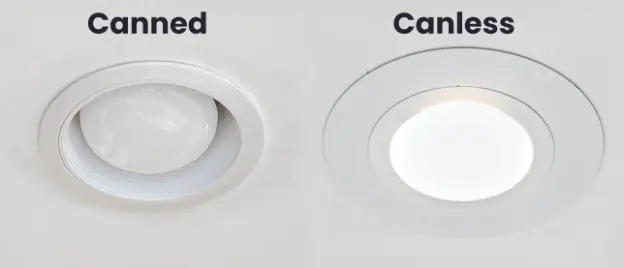
Not all recessed lighting is the same. Choosing the right type affects both cost and performance.
Can vs Canless Recessed Lighting
Traditional “can” lights use a housing unit installed inside the ceiling. Canless lights are slimmer and easier to install, making them popular for modern upgrades.
Retrofit LED vs New Installations
Retrofits are ideal for upgrading existing fixtures, while new installations are needed for homes without recessed lighting.
Ceiling Layout and Spacing Tips
Proper spacing ensures even lighting. Poor placement can create shadows or overly bright spots, which is why professional planning makes a noticeable difference.
Safety & Code Compliance You Can’t Ignore
Electrical work isn’t just about functionality, it’s about safety.
Electrical Load & Circuit Safety
Overloading a circuit can lead to breaker trips or fire hazards. Electricians calculate load capacity to prevent this.
IC-Rated Fixtures and Insulation
Fixtures must be compatible with insulation to avoid overheating. This is especially important in energy-efficient homes.
Fire Hazards & Improper Wiring Risks
Loose connections, incorrect wiring, and poor installation are among the leading causes of electrical fires. Professional installation minimizes these risks.
Benefits of Hiring a Professional Electrician
Hiring a professional isn’t just about convenience, it’s about long-term value.
A skilled electrician ensures a clean, evenly distributed lighting layout that enhances the look of your space. The installation is more reliable, reducing the chances of future issues. Many electricians also offer warranties, giving you peace of mind.
Projects are completed faster, and everything is done according to code, which is crucial if you plan to sell or rent the property.
How to Choose the Right Electrician
Not all electricians offer the same level of service, so choosing carefully matters.
Look for proper licensing and insurance first. Experience with LED upgrades is also important, as modern lighting systems differ from traditional setups.
Transparent pricing is a strong indicator of professionalism. Avoid vague estimates and ask for a clear breakdown of costs. Reviews and past work can also give you insight into their reliability and quality.
FAQs
Can you replace recessed light fixture?
Yes, recessed light fixtures can be replaced, especially with LED retrofit kits. This is one of the easiest upgrades if the existing wiring is in good condition.
Is it expensive to have recessed lighting installed?
Costs vary depending on the complexity of the project. New installations are more expensive than replacements, but LED upgrades offer long-term savings on energy and maintenance.
Does an electrician install recessed lighting?
Yes, electricians commonly install recessed lighting, particularly for new setups, wiring changes, and code-compliant installations.
Final Takeaway
If your project involves anything beyond a simple fixture swap, hiring an electrician is the safer and smarter choice. While DIY solutions can work in limited cases, recessed lighting often requires precision, planning, and electrical expertise.
If you’re planning an upgrade, the next step is simple: get a professional quote, understand your options, and move forward with confidence.