
Choosing between LED and regular bulbs can make a big difference in your home’s energy use, lighting quality, and electricity costs. While traditional incandescent bulbs have been used for decades, LED bulbs are becoming the preferred option because they last longer and use far less power. But are LEDs really better than regular light bulbs in every situation?
In this guide, we’ll compare LED vs regular bulbs based on lifespan, brightness, heat output, energy efficiency, and overall cost so you can choose the right lighting for your home with confidence.
TL;DR
LED bulbs last much longer, use far less electricity, and produce less heat compared to regular incandescent bulbs. While LEDs cost more upfront, they usually save more money over time through lower energy bills and fewer replacements. For most homes, LED bulbs are the better long-term lighting choice.
Led lights vs incandescent light bulbs: What’s the Main Difference?
he biggest difference between LED and regular incandescent bulbs is how they create light and use electricity.
Traditional incandescent bulbs create light by heating a thin filament until it glows. This method works, but it wastes a lot of energy as heat.
LED bulbs, on the other hand, use semiconductor technology to produce light more efficiently. Because of this, LEDs consume less electricity, stay cooler, and last much longer.
In simple terms:
- Incandescent bulbs have older technology with higher energy use
- LED bulbs have modern technology designed for efficiency and longevity
That is why many homeowners are switching from incandescent to LED lighting..
LED and Incandescent Comparison
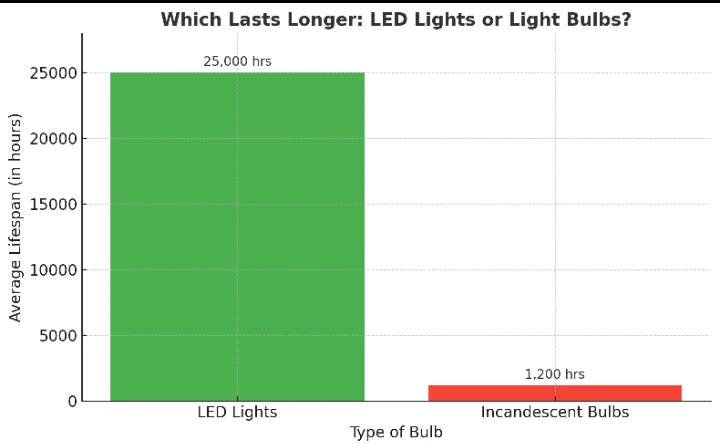
Both lighting types can brighten a room, but they perform very differently when you compare energy use, lifespan, cost, and durability. Here is a quick side-by-side comparison on Incandescent vs led.
| Feature | LED Bulbs | Incandescent Bulbs |
|---|---|---|
| Average Lifespan | 25,000–50,000 hours | 750–2,000 hours |
| Energy Use | Very low | High |
| Heat Output | Low | Very high |
| Electricity Cost | Lower over time | Higher over time |
| Upfront Cost | Higher | Cheaper |
| Durability | Strong and vibration-resistant | Fragile filament |
| Environmental Impact | More energy efficient | Wastes more electricity |
| Brightness Efficiency | High lumens per watt | Lower lumens per watt |
Pro Tip!
Invest in high-quality brands like Philips Lighting or Cree Lighting to ensure maximum LED lifespan and avoid flickering issues.
Energy Consumption
LED bulbs use significantly less power than incandescent bulbs. In many cases, an LED bulb uses around 75–90% less electricity while producing the same brightness.
For example, a 10-watt LED bulb can often replace a 60-watt incandescent bulb.
Lifespan
One of the biggest advantages of LEDs is their long lifespan. Most LED bulbs last between 25,000 and 50,000 hours.
Regular incandescent bulbs usually last only around 1,000 hours before burning out.
That means one LED bulb may outlast dozens of traditional bulbs.
Brightness and Lumens
Many people assume higher wattage means brighter light, but brightness is actually measured in lumens.
LED bulbs produce more lumens using less energy, making them more efficient. Modern LEDs are available in soft white, daylight, and warm tones similar to incandescent lighting.
Heat Production
Incandescent bulbs become extremely hot because much of their energy turns into heat instead of light.
LED bulbs stay much cooler. This makes them safer for enclosed spaces, children’s rooms, and long-term daily use.
Lower heat output can also help reduce indoor cooling costs during hot weather.
Electricity Costs
Since LEDs use less electricity, they can noticeably lower monthly energy bills.
A single LED bulb running several hours daily may save many dollars per year compared to a regular bulb. Multiply that across an entire home, and the savings become significant.
Upfront Cost
Regular incandescent bulbs are cheaper to buy initially. However, they burn out quickly and consume more power.
LED bulbs cost more upfront, but their longer lifespan and lower electricity usage usually make them cheaper over time.
Environmental Impact
LED bulbs are generally better for the environment because they use less electricity and last longer.
Fewer replacements also mean less waste. In addition, LEDs do not waste as much energy as heat compared to incandescent bulbs.
Durability
Incandescent bulbs contain delicate filaments that can break easily from vibration or movement.
LED bulbs are more durable and resistant to bumps, making them suitable for outdoor fixtures, garages, and frequently used areas.
Do LED Bulbs Really Save Money?
Yes, LED bulbs can save a considerable amount of money over time.
| Bulb Type | Energy Cost (10 yrs) | Bulb Cost | Total Cost (10 yrs) |
|---|---|---|---|
| LED (9 W) | $8.55 | $7.90 (2–3 bulbs total) | $16.45 |
| Incandescent (60 W) | $57.00 | $14.40 (replacing ~25 bulbs) | $71.40 |
Here is why:
- Lower electricity usage
- Fewer bulb replacements
- Reduced maintenance costs
- Longer operational life
For example, imagine two bulbs used for 3 hours daily:
- 60W incandescent bulb
- 10W LED bulb
Over a year, the LED uses far less electricity while delivering similar brightness. Over several years, the savings become even more noticeable.
For households with many light fixtures, switching to LEDs can reduce annual electricity expenses significantly.
Are LED Bulbs Worth the Higher Price?
For most homes, the answer is yes.
Although LEDs cost more at checkout, they typically provide better long-term value.
Think about it this way:
A cheap incandescent bulb may need replacement several times within a few years. During the same period, one quality LED bulb may continue working efficiently.
This means:
- fewer shopping trips
- fewer replacements
- lower electricity bills
- less hassle overall
That is why LEDs are commonly recommended for kitchens, living rooms, offices, and outdoor lighting.
Tip: Always check for ENERGY STAR® certification or trusted brands when buying LED bulbs.
How to Choose the Right LED Replacement Bulb
Choosing led vs standard bulb is easier once you understand wattage equivalents, brightness, and color temperature.
LED Wattage Equivalent Chart
| Incandescent Bulb | LED Replacement |
|---|---|
| 40W | 6–9W LED |
| 60W | 8–12W LED |
| 75W | 12–15W LED |
| 100W | 16–20W LED |
Color Temperature Tips
LED bulbs come in different color temperatures.
- Warm White (2700K–3000K) is cozy lighting for bedrooms and living rooms
- Cool White (3500K–4100K) is for kitchens and bathrooms
- Daylight (5000K–6500K) fits best with offices, garages, workspaces
If you like the traditional glow of incandescent bulbs, choose warm white LEDs.
Brightness Recommendations
Instead of focusing only on watts, look at lumens.
General guide:
- 450 lumens are for small lamps
- 800 lumens are for standard room lighting
- 1600 lumens are for brighter large spaces
This helps you choose the right brightness without wasting energy.
FAQs
Does LED Use Less Power?
Yes. LED bulbs use much less electricity than incandescent bulbs while producing similar brightness. Many LEDs consume up to 90% less energy.
Are LED Bulbs Brighter?
LED bulbs can be brighter while using less wattage. Brightness depends on lumens, not just watts.
Are LEDs Better Than Regular Light Bulbs?
In most cases, yes. LEDs generally last longer, use less electricity, produce less heat, and require fewer replacements compared to regular incandescent bulbs.
Can I mix LED and incandescent bulbs?
Technically yes, but it may cause visual mismatches and issues on shared dimmer circuits.
Final Thoughts
When comparing LED vs regular bulbs, LEDs clearly offer major advantages in energy efficiency, lifespan, durability, and long-term cost savings.
Incandescent bulbs may still appeal to some people because of their lower upfront price and familiar warm glow. However, for most homeowners and renters, LED lighting is the smarter long-term investment.
Whether you want lower electricity bills, fewer bulb replacements, or more efficient home lighting, switching to LED bulbs is usually the better choice.

