|
Getting your Trinity Audio player ready...
|
There’s something magical about those chilly December nights, isn’t there?
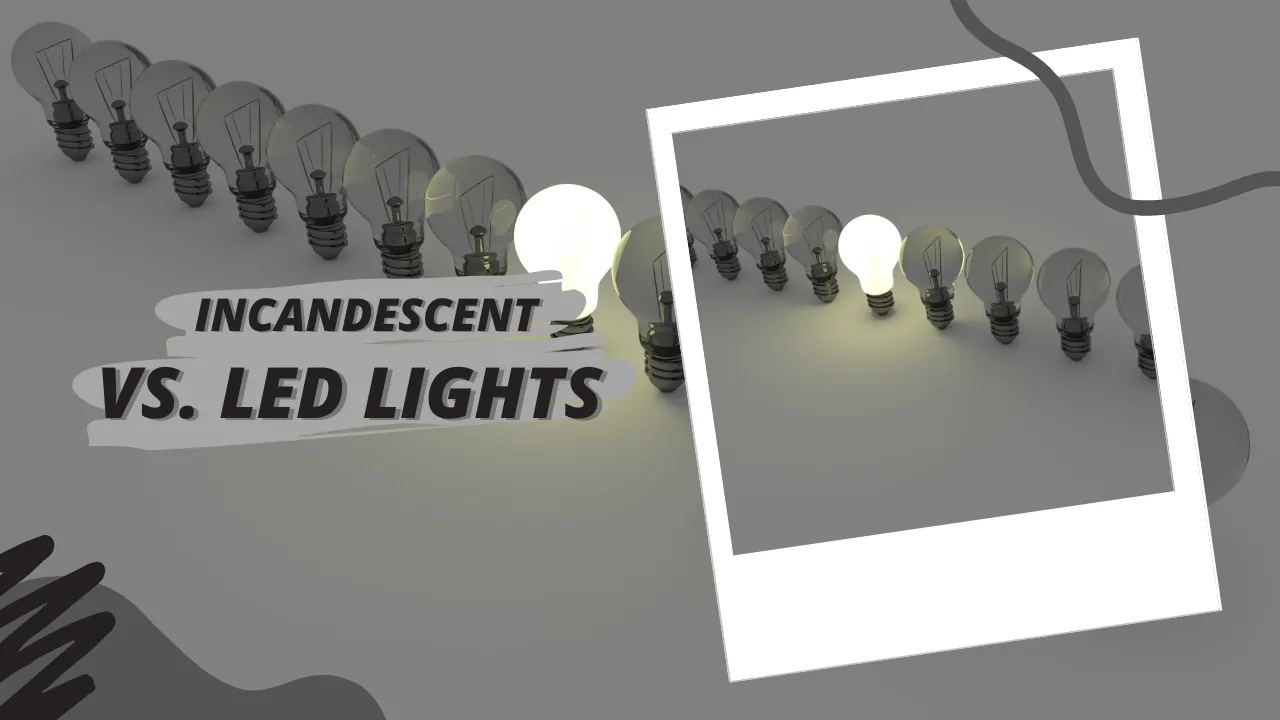
The streets twinkle, the trees shimmer, and homes glow with that warm festive light. But every holiday season, one question keeps popping up, Incandescent vs LED Christmas Lights, which one truly makes the season shine brighter?
Should you stick with the cozy, golden charm of traditional bulbs that remind you of childhood Christmases… or switch to the energy-smart sparkle of LEDs that promise longer life and lower bills?
It’s a tug-of-war between nostalgia and modern convenience.
Think about it, the soft warmth of incandescent lights feels like a hug from the past, while the crisp brilliance of LEDs brings a touch of the future to your décor. So, what really matters to you this year?
Is it the sentimental glow or the sustainable sparkle? Let’s dive in and find out which one truly wins the holiday season, because your tree deserves nothing less than the best.
Summary: Incandescent lights give that classic warm glow but use more energy and burn out faster. LEDs, however, shine brighter, stay cool, and last up to 10 times longer while saving up to 90% on energy costs. If you love nostalgia, incandescents win the charm. But for safety, savings, and sustainability, LED Christmas lights are the smarter choice.
Understanding the Basics: What’s the Real Difference?
Let’s break it down, shall we? When you’re staring at those sparkling strings in the store aisle, it’s easy to wonder, what’s the real difference between LED and incandescent Christmas lights?
Here’s the simple truth. Incandescent lights create that familiar warm glow by heating a tiny filament inside the bulb until it shines. It’s the same old-school technology that’s been lighting up Christmas trees for decades. They give off a soft, cozy light but at a cost. That filament burns hot, meaning these bulbs waste quite a bit of energy as heat and burn out faster.
Now, LED lights work differently. They use a light-emitting diode, a tiny semiconductor that produces light when an electric current passes through it. No filaments, no heat battles. The result? Bright, vibrant colors that stay cool to the touch and last much, much longer.
When we talk about incandescent lights vs LED, the biggest contrast comes down to efficiency and durability. LEDs use up to 80–90% less energy than incandescent bulbs, making them a favorite for anyone who wants a stunning display without the high electric bill.
But let’s be honest, it’s not just about watts and wires. It’s about the feeling. Incandescents bring nostalgia, while LEDs bring innovation. One whispers “classic Christmas,” the other shouts “modern magic.”
Both light up your space — but one shines smarter.
Warm Glow or Cool Spark? Comparing the Two Head-to-Head
When it comes to choosing between incandescent vs LED Christmas lights, the debate is as bright as the bulbs themselves. Both have their charm, one glows with nostalgic warmth, and the other dazzles with energy-smart brilliance. But when you put them side by side, which one truly outshines the other?
Let’s find out through a fair, festive comparison.
| Feature | Incandescent Lights | LED Christmas Lights |
|---|---|---|
| Cost | Cheaper upfront, higher long-term energy cost | Higher initial cost, saves more over time |
| Energy Use | Consumes more power; less efficient | Uses up to 90% less energy |
| Brightness | Warm, soft yellow glow | Available in warm or cool tones; more vivid |
| Safety | Can get hot after long use | Stays cool to the touch, safe for trees & kids |
| Lifespan | Around 1,000 hours | Up to 50,000 hours — far longer lasting |
Cost: Which One Saves You More?
Here’s the thing: Christmas lights LED vs incandescent can look almost identical on your tree, but your wallet will definitely feel the difference.
Incandescent lights are cheaper when you buy them — no surprise there. You can grab a box for just a few bucks. But here’s the catch: they gulp down electricity like Santa at a cookie plate. LEDs, on the other hand, may cost a little more upfront, but they’re a one-time investment that keeps giving back every year.
Think long-term. LEDs use less power, last longer, and don’t need to be replaced as often. So while incandescents win the short game, LEDs are the clear long-term money-saver. By the time next Christmas rolls around, you’ll already be reaping the rewards.
Energy Efficiency: Which Light Uses Less Power?
Here’s where LEDs truly shine — quite literally. When it comes to LED vs incandescent Christmas lights energy usage, LEDs are the champions of efficiency.
Let’s put it into perspective. A month of LED sparkle might cost you the same as one coffee. But if you go old-school with incandescents? That’s a full dinner bill, maybe even dessert! LEDs use about 75–90% less electricity, meaning you can deck your entire house without fear of a shocking electric bill.
In short, they let you light up the neighborhood and save the planet, one twinkle at a time.
Brightness & Color Quality: Which Looks Better on Your Tree?
Ah, the look, because Christmas isn’t just about light, it’s about feel. For years, people preferred incandescent bulbs for that warm, amber glow that felt like pure nostalgia.
But modern warm white LED vs incandescent Christmas lights have changed the game. Today’s LEDs can mimic that same cozy warmth while offering a wide range of hues — from frosty cool whites to candy-colored brilliance.
LEDs also hold their brightness beautifully over time. Incandescents, on the other hand, tend to dim or burn out unevenly. So if you love a perfectly balanced glow that stays consistent all season long, LEDs are your go-to.
Durability & Longevity
Tired of replacing bulbs every season? You’re not alone. LED Christmas lights are built for endurance. Unlike incandescent bulbs, which burn out after roughly 1,000 hours, LEDs can last up to 50,000 hours. That’s enough for decades of Christmas cheer!
And because LEDs don’t have fragile filaments, they handle weather, storage, and outdoor decorating like pros. You can wrap them around trees, railings, or rooftops without worrying about cracks or breaks.
So yes — LEDs don’t just shine longer, they survive longer.
Safety & Heat Output
If you’ve ever touched an old incandescent light after it’s been on for hours, you know how hot it gets. That heat isn’t just wasted energy — it’s a fire risk, especially around dry Christmas trees or fabric decorations.
LED lights, however, stay cool to the touch no matter how long they glow. That makes them a safer choice for homes with kids, pets, or real pine trees. No burns, no melted wires, just safe, steady sparkle all season long.
Variety & Styles Available
From elegant icicle strands to nostalgic bulb shapes, the variety today is dazzling. You’ll find LED Christmas lights that look just like traditional incandescents — including C7 and C9 styles for that vintage charm.
Want something dreamy? Try fairy lights or shimmering net lights for outdoor bushes. Prefer a snowy effect? Go for icicle lights that mimic dripping frost. The beauty of LEDs is that they come in every possible style — and many even let you switch colors or patterns with a click.
So whether you’re after classic glow or modern glam, there’s an LED for every holiday vibe.
Maintenance & Warranty
Let’s be honest — nothing tests patience like a half-lit string. With pre-lit Christmas trees, the difference between LED vs incandescent setups is night and day.
Incandescent pre-lit trees often lose brightness quickly because one bad bulb can darken the whole strand. LEDs, on the other hand, are designed with independent circuits, so one out doesn’t ruin the rest.
Plus, most LED light sets come with solid warranties — a little peace of mind for your holiday prep. Less maintenance, longer life, and fewer headaches.
The Power Bill Breakdown: LED vs Incandescent Energy Usage
Let’s talk about something we all secretly dread after the holidays — the power bill. You’ve spent hours wrapping your home in twinkling lights, but when January rolls around, that “merry” glow can suddenly feel expensive.
So, how much does it really cost to keep your decorations shining bright?
When it comes to LED vs incandescent Christmas lights energy usage, the numbers speak for themselves. Incandescent bulbs are beautiful, but they’re also little heat machines, wasting most of their power on warmth instead of light. LEDs, on the other hand, are true energy misers — turning nearly every watt into pure brightness.
Here’s the real-world difference:
Imagine running ten strands of incandescent lights for five hours each night throughout December. That could add around $15–$20 to your electric bill. But if you use LEDs? You’ll likely spend under $2 for the whole month.
That’s not just a small saving, that’s enough to treat yourself to a peppermint mocha or two!
Quick Comparison: Christmas Lights LED vs Incandescent Cost
| Type of Light | Average Watt Usage (per 100 lights) | Approx. Monthly Cost (30 days @ 5 hrs/night) |
|---|---|---|
| Incandescent Lights | 40–60 watts | $15–$20 |
| LED Christmas Lights | 4–6 watts | $1–$2 |
So, if your goal is to keep the sparkle but cut the spend, LED Christmas lights are clearly the smarter choice. You’ll get the same holiday magic without feeling that post-Christmas pinch.
Because let’s be honest, wouldn’t you rather spend your savings on gifts, cocoa, and cozy nights by the fire than on your electric bill?
Both light up your world, but only one glows smart.
Are LED Christmas Lights Really Better? Let’s Be Honest.
Alright, let’s keep it real — are LED Christmas tree lights better? For many people, yes. They’re energy-efficient, long-lasting, and stay cool no matter how long they twinkle. You can wrap them around your tree, porch, or banister without worrying about overheating or sky-high energy bills. They’re the smart, sustainable choice for most modern homes.
But here’s the honest twist,
Not everyone wants to say goodbye to that classic incandescent glow. There’s something magical about their soft, golden light that feels nostalgic, cozy, and deeply Christmassy. Even though LED Christmas lights now come in warm white tones that mimic that charm, some still find the difference noticeable.
So, what’s the best move? Blend them! Use LEDs for your outdoor setup, they’re durable, weather-safe, and affordable to run. Then sprinkle a few incandescent strands indoors for that nostalgic warmth. It’s the perfect balance between beauty and efficiency.
In the end, there’s no one-size-fits-all answer. Your lights should match your holiday mood, whether that’s the sentimental shimmer of the past or the bright brilliance of the future. After all, Christmas isn’t just about the lights you hang, but the memories they illuminate.
Can You Get LED Lights That Look Like Incandescent?
Yes — and they’re absolutely stunning!
If you’ve ever wished for the warm glow of incandescent lights without the heat, energy waste, or short lifespan, then filament-style LED Christmas lights are your dream come true. These clever hybrids combine the best of both worlds: the vintage charm of old-fashioned bulbs with the modern efficiency of LEDs.
They’re designed with visible filaments that mimic that familiar golden hue — soft, cozy, and timeless. You get all the nostalgia, minus the high electricity costs or constant bulb replacements.
When it comes to the best LED Christmas tree lights for traditional looks, go for warm white or soft white LED filaments. They offer that classic amber glow that flatters both green and snowy trees.
So, if you’re torn between sentimental sparkle and smart savings, these lights let you have both — style that feels classic but shines modern.
PAA
Are incandescent Christmas lights safe?
Mostly, yes. But they do get hot. Incandescent bulbs use heat to create light, so they can pose a fire risk if left on too long or placed near flammable decorations. Always turn them off before bedtime or when leaving the house.
How long do Christmas tree lights last?
Traditional incandescent lights usually last about 1,000 hours, while LED Christmas lights can shine for up to 25,000 hours — that’s years of glowing holidays!
What are incandescent Christmas lights?
They’re the classic bulbs with a glowing filament inside. They create a soft, nostalgic light but consume more energy than LEDs.
Do LED Christmas lights get hot?
Not really! LEDs stay cool to the touch, making them safer for kids, pets, and indoor trees.
How long do pre-lit trees last?
If well cared for, pre-lit LED Christmas trees can last around 7–10 years. Incandescent versions may only last 3–5 years before bulbs start to fail.
Can you leave LED Christmas lights on all night?
Yes, you can, as long as they’re in good condition and plugged into a safe outlet. LEDs are energy-efficient and don’t overheat, but it’s still smart to use a timer for peace of mind.
Should you turn off Christmas lights at night?
Absolutely. It’s safer and helps save energy. A simple timer or smart plug can do the job automatically.
Are incandescent Christmas lights being phased out?
Yes, many countries are gradually phasing them out in favor of LEDs, which use less power and last longer.
What type of light is best for a Christmas tree?
If you love that classic glow, choose warm white LEDs. They give the same cozy tone as incandescents but last longer, cost less to run, and keep your tree safer.
Final Glow-Up: Which Should You Choose?
So here we are the final glow-up moment. You’ve compared sparkle to sparkle, watt to watt, and now it’s decision time. Between incandescent vs LED Christmas lights, which one truly deserves a place in your home this holiday season?
If your heart beats for nostalgia — those golden, cozy hues that remind you of childhood Christmas mornings — then incandescent lights will always have their magic. They bring warmth, romance, and that timeless charm that no new technology can fully replace. Each tiny filament glows with a sentimental whisper of tradition.
But if you crave a brighter, smarter, and safer holiday, LED lights easily steal the show. They use far less energy, stay cool to the touch, and last for years — not just seasons. When you ask, “Are LED Christmas tree lights better?” the honest answer is yes — for safety, savings, and sustainability, they win the crown.
Still, the beauty of Christmas lies in balance. Mix both if you’d like — let LEDs handle the outdoors with their long life and durability, while incandescents add that soft, heartwarming glow inside your home.
After all, Christmas isn’t just about the light you hang — it’s about the joy it sparks. Choose the glow that makes your season shine brightest.
Conclusion
So, when it comes down to incandescent vs LED Christmas lights, the difference truly shines through in four key areas, cost, energy, style, and lifespan. Incandescent lights may cost less upfront and offer that heartwarming vintage glow we all grew up with, but they use more energy and burn out faster.
On the other hand, LED Christmas lights are the long-lasting heroes — energy-efficient, cool to the touch, and available in endless colors and styles that mimic that same cozy charm.
Whether you choose the nostalgic twinkle of incandescents or the modern brilliance of LEDs, remember — it’s not just about what’s hanging on your tree, but the memories glowing around it.
Whatever glow you choose, let it bring joy to your home and light to your heart.
Light up your home the smarter way, explore our LED Lighting Guide and let your holidays shine brighter without burning your budget!