|
Getting your Trinity Audio player ready...
|
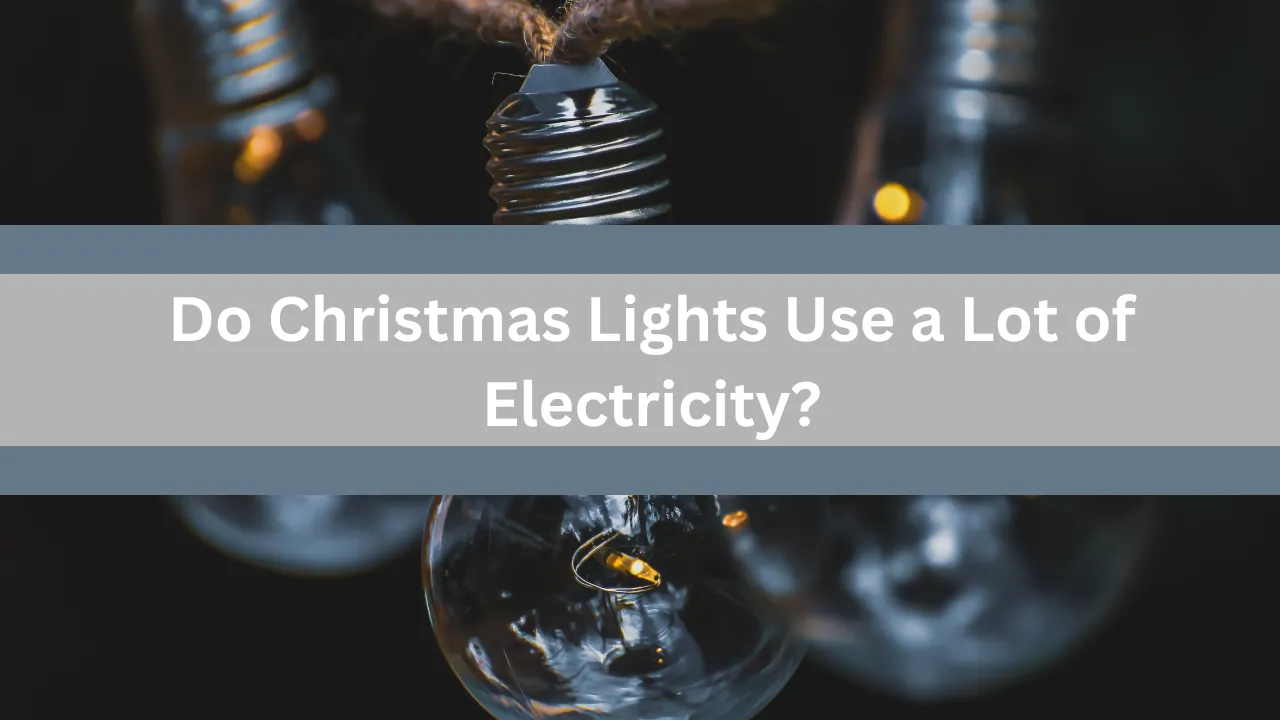
Every December, we deck the halls, untangle those twinkling strings, and light up our homes with festive cheer. But let’s be honest, somewhere between the glow of fairy lights and that first mug of cocoa, one thought sneaks in: Do Christmas lights use a lot of electricity?
Here’s the truth,
Your holiday sparkle doesn’t have to drain your wallet or the planet. Whether you love the warm nostalgia of incandescent bulbs or the crisp brilliance of LEDs, the real story lies in how much power they actually consume and trust me, the difference might surprise you.
In this guide, we’ll uncover how much energy your Christmas lights really use, break down the LED vs incandescent debate, and share easy, practical tips to help you save money while keeping your home merry and bright.
Ready to light up smart this season? Let’s dive right in.
No, Christmas lights don’t use a lot of electricity—especially if you’re using LED lights. Traditional incandescent bulbs can raise your electric bill noticeably, but LEDs use up to 90% less energy. For example, running 10 LED strands for a month might cost only $1–$2 total, while incandescent lights could cost ten times more. So, you can keep your home glowing all season long without worrying about a big electricity bill.
Do Christmas Lights Use a Lot of Electricity
LED vs Incandescent Christmas Lights
When it comes to lighting up your holidays, the big debate always circles back to one question—LED vs incandescent Christmas lights, which one’s better?
Let’s break it down simply.
Incandescent lights are the classic choice—the ones that give off that cozy, golden glow we’ve all grown up with. But here’s the catch: they’re energy-hungry. Each bulb uses more wattage, burns hotter, and has a much shorter lifespan.
That’s why many homeowners notice a little bump in their Christmas lights electric bill when they stick with incandescent strands.
Now, LEDs are the new-age heroes. They use up to 80–90% less energy, stay cool to the touch, and can last for over 20,000 hours. So, when comparing LED vs regular Christmas lights, the difference is dramatic more brightness for far less power.
And what about the look?
Warm white LED vs incandescent is often the trickiest choice. Incandescents give that soft, nostalgic warmth, while modern warm white LEDs now mimic that same cozy tone but with added clarity and consistency.
So, if you’re choosing between incandescent v LED Christmas lights or wondering about LED vs incandescent Christmas tree lights, think of it this way—incandescents bring tradition, but LEDs bring technology that saves money and energy.
The difference between incandescent and LED Christmas lights isn’t just brightness; it’s smarter energy use, smaller bills, and a longer-lasting glow that keeps the holiday spirit shining bright all season.
Energy Usage Comparison – LED vs Incandescent
Let’s talk numbers. When it comes to power use, LED Christmas lights are clear winners. A single LED bulb typically uses 0.05 to 0.1 watts, while a comparable incandescent bulb can use 5 to 7 watts. That’s nearly 90% less energy for the same sparkle!
Now, imagine a string of 100 lights. Incandescents could draw around 500–700 watts, while LEDs might only use 5–10 watts total. Big difference, right?
Over an entire holiday season—say you keep them on 5 hours a day for 30 days—incandescents could cost you about $6–$8 to run. LEDs? Barely 50 cents. That small swap can trim real dollars off your Christmas lights electric bill.
And about LED string lights vs bulbs—don’t worry, they’re both ultra-efficient. String LEDs use even less power per bulb, especially if you choose mini or micro fairy lights.
In short, LEDs glow brighter, last longer, and sip electricity instead of guzzling it.
How Much Will Christmas Lights Add to Your Electric Bill?
Here’s the part everyone secretly wonders—how much will Christmas lights actually add to your electric bill? The answer depends on what you decorate and what type of lights you use.
Let’s start small. A tiny tree with 100 LED mini lights might use only about 10 watts total. Run it five hours a night for a month, and it adds roughly 50 cents to your bill. Not bad for a little sparkle.
Now, take a whole house display—say 1,000 LED lights along the roof and windows. You’re looking at just $3–$5 for the season. Switch those same lights to incandescent bulbs, and that number jumps to $25–$30. Big ouch!
For the show-stoppers—the outdoor displays with thousands of lights—LEDs still keep things reasonable. A massive setup might cost under $10, while incandescent displays could soar past $100.
The formula’s simple:
Watts × Hours per day × Days used ÷ 1,000 × Electricity rate (per kWh) = Total cost.
And yes, Christmas lights use less electricity than light bulbs, especially if you’ve switched to LEDs. So go ahead—light up your home without fearing a shocking January bill.
Why LED Christmas Lights Are the Smarter Choice
Energy-Saving Benefits of LEDs
LEDs are little powerhouses. They use up to 90% less energy than traditional incandescent bulbs, which means you can enjoy the same festive glow for a fraction of the cost. Because they waste less heat, almost all the energy goes into producing light—not warmth. That’s why your Christmas lights electric bill drops dramatically when you switch to LEDs.
Cost Savings Over Multiple Holiday Seasons
Think of LEDs as an investment that keeps paying back. While they may cost a bit more upfront, their efficiency and longevity easily make up for it. Over five or six holiday seasons, you’ll save dozens of dollars—not just in electricity, but in fewer replacements too. Those savings quietly add up while your home keeps sparkling.
Longer Life Span & Safer to Use
An average incandescent bulb lasts about 1,000 hours, but an LED can shine for 20,000+ hours. That’s years of holiday decorating without constant bulb checks. Plus, LEDs stay cool to the touch, reducing the risk of overheating or fire hazards—especially around trees and garlands.
Eco-Friendly Christmas Lighting
Choosing LEDs isn’t just smart for your wallet—it’s kind to the planet. Lower energy use means less demand on power plants, fewer emissions, and a lighter carbon footprint. Pair that with reusable light strands, and you’ve got a sustainable holiday tradition that glows green in every sense.
Are Christmas Lights Expensive to Run?
It’s a common worry every December—are Christmas lights expensive to run? The truth is, not anymore. Thanks to modern LED technology, that sparkling holiday charm now costs just pennies a day.
Let’s bust the myth once and for all. Old-fashioned incandescent lights were definitely energy hogs. They burned hotter, used more power, and pushed up your electric bill fast. A few long strands could easily add $20–$30 to your holiday energy costs.
But today’s LED Christmas lights tell a completely different story. They’re designed to be energy-efficient, using a fraction of the electricity and lasting much longer. You can decorate your entire home, tree, and yard for less than the cost of one fancy coffee.
So no, modern Christmas lights aren’t expensive to run—they’re one of the easiest ways to spread festive cheer without draining your wallet or your power supply.
Tips to Save on Your Christmas Light Electric Bill
Want to keep your home glowing without watching your meter spin? Here’s how to cut down costs while still enjoying that magical holiday sparkle.
Use Timers and Smart Plugs
Set your Xmas lights on timers or smart plugs to turn off automatically when you’re asleep or away. It’s an easy way to make sure your lights aren’t running 24/7—and yes, it helps prevent Christmas lights from raising your electric bill unnecessarily.
Opt for Energy-Efficient LEDs
Switching from incandescent Christmas lights to LEDs can slash your energy use by up to 80%. LEDs shine brighter, stay cooler, and last longer—so you save both energy and replacement costs.
Choose Warm White LEDs for a Classic Glow
Love that nostalgic, golden glow? Go for warm white LED lights. They give you that cozy, old-fashioned charm of incandescent bulbs but with modern energy efficiency.
Limit Lighting Hours
A good rule of thumb—keep your lights on for about 6 hours each evening. This way, you still get the full festive effect without inflating your energy bill.
Bonus: Try Solar-Powered Christmas Lights
Want to go one step greener? Solar-powered Christmas lights charge during the day and shine bright at night—no electricity needed. Perfect for outdoor setups and eco-friendly decorating.
With these small tweaks, you can enjoy a dazzling holiday display without worrying about your budget—or your electric bill.
Christmas Lights and Safety Considerations
Before you dive into decorating, let’s talk safety—it’s just as important as the sparkle. A few small precautions can make your Christmas setup both stunning and safe.
Avoid Overloading Outlets
Plugging too many light strings into one outlet might seem harmless—but it can cause overheating or even electrical fires. Use extension cords rated for outdoor or indoor use (depending on where you’re decorating) and spread the load across multiple outlets.
Proper Outdoor vs Indoor Light Use
Not all Christmas lights are made for the same purpose. Outdoor lights are weather-resistant and built to handle rain or snow. Indoor lights, on the other hand, are designed for dry spaces. Mixing the two can lead to damage—or worse, safety hazards. Always check the packaging label to know where your lights belong.
Why LEDs Are Safer
Here’s another reason to love LED Christmas lights—they run much cooler than traditional incandescent ones. That means they’re less likely to overheat, melt plastic decorations, or cause accidental burns. Plus, LEDs are shatter-resistant and use low voltage, which adds an extra layer of safety.
Want to dive deeper into safety standards for holiday lighting? Check out the CPSC’s guide to seasonal lighting safety on “Seasonal and Decorative Lighting Products.”
By staying mindful of these small details, you’ll enjoy a holiday glow that’s not only beautiful but worry-free too.
Fun Facts About Christmas Lights
Let’s end on a lighter note—literally! Christmas lights have a story that’s just as bright as their glow.
The Spark That Started It All
Did you know the very first Christmas tree lights appeared back in the 1880s? Edward H. Johnson, an associate of Thomas Edison, hand-wired 80 red, white, and blue bulbs onto his tree. That one glowing idea sparked the beginning of electric Christmas decorations around the world.
How Fairy Lights Became a Holiday Staple
Before LEDs and twinkle effects, people used candles to light their trees—dangerous, right? When fairy lights were introduced, they quickly became the safer and prettier option. Their soft shimmer turned living rooms into cozy winter wonderlands, and soon they were everywhere—from shop windows to city streets.
LED vs Incandescent: The Bright Difference
Here’s a fun one—LED lights use up to 90% less energy than incandescent bulbs. That means you could run 10 LED strands for the same power as one old-fashioned set! Plus, LEDs can last more than a decade, making them both magical and practical.
It’s amazing how far we’ve come—from flickering candles to smart, energy-saving LEDs that make every Christmas shine a little brighter.
PAA
Do Christmas tree lights use a lot of electricity?
Not really! A typical set of LED Christmas tree lights uses only about 5–15 watts, depending on the length and brightness. That’s roughly the same as running your TV for just a few minutes a day. Incandescent lights, however, can use 10 times more energy for the same amount of sparkle.
How much do Christmas lights add to the electric bill?
It depends on how many lights you use and how long they’re on. For example, keeping 1,000 LED lights on for 6 hours a day for an entire month adds only about $1–$2 to your electric bill. But the same display with old incandescent bulbs could add $10–$15 or more.
How many watts is 100 Christmas lights?
For LED lights, 100 bulbs usually use 5–10 watts total—super efficient! For incandescent lights, 100 bulbs can draw 40–80 watts, depending on bulb type. The wattage difference really adds up over a full holiday season.
Do LED string lights use a lot of electricity?
Not at all. LED string lights are incredibly efficient, using up to 90% less power than traditional ones. Even large outdoor LED displays won’t make a noticeable dent in your energy costs.
Do Christmas lights use less electricity than light bulbs?
Yes! Most modern LED Christmas lights use less electricity than even a single standard household bulb. One 10-watt LED light string can have the same glow as several 60-watt incandescent bulbs—making it the clear winner for energy savings.
Conclusion
So, do Christmas lights use a lot of electricity? Not anymore!
With modern LED lights, you can enjoy a dazzling holiday glow while keeping your electric bill comfortably low. Compared to old incandescent bulbs, LEDs last longer, shine brighter, and cost just pennies to run through the season.
So go ahead—light up your home and heart this Christmas without worrying about wasted energy. Want to learn more smart lighting tips?
Explore our LED Lighting Guide for inspiration and energy-saving ideas that keep your home merry, bright, and budget-friendly all year round.